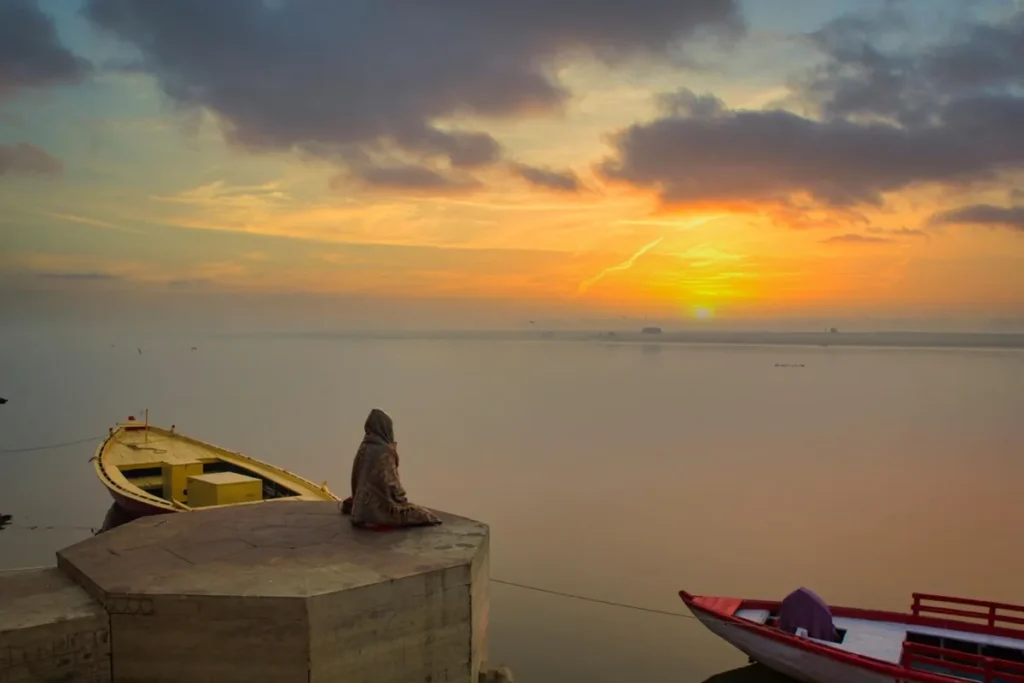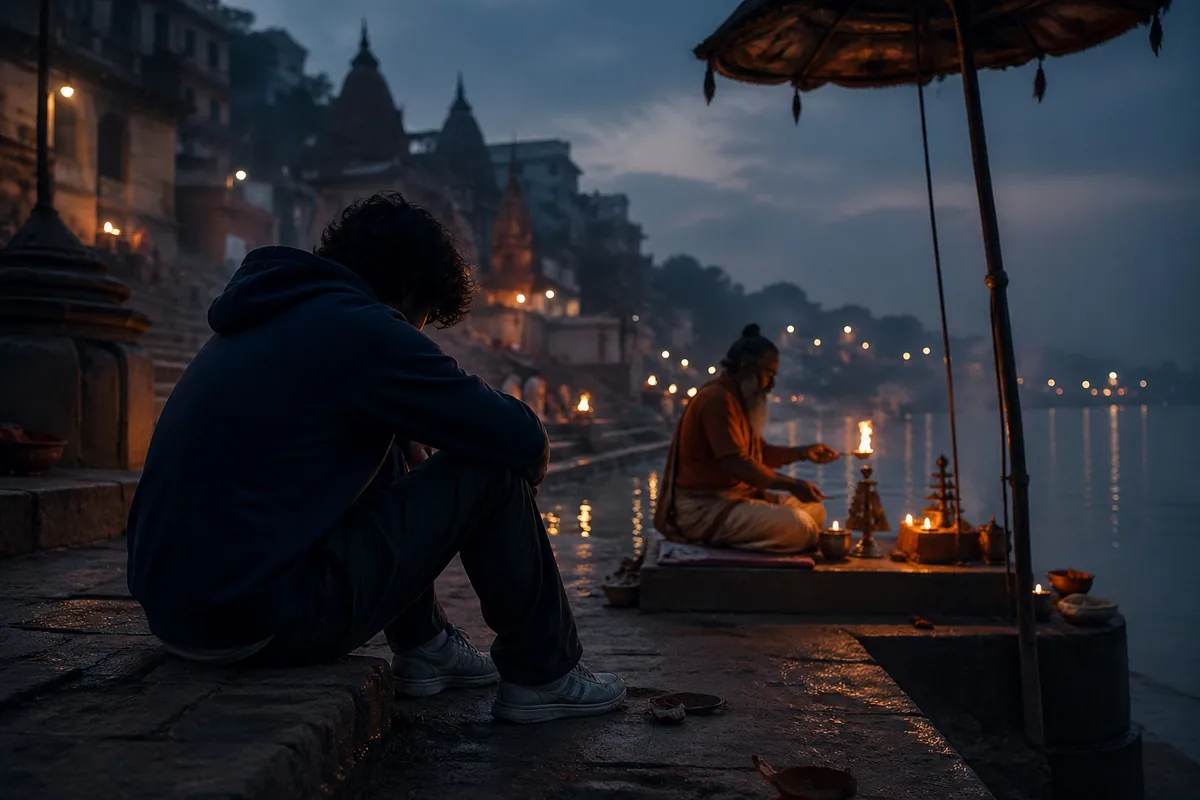




Kashi has long been known as a city of devotion, reflection, and spiritual depth. For centuries, seekers travelled there not only to visit temples, but to search for meaning within themselves. In such a place, the image of the baba became symbolic — a person detached from material life, living in simplicity, and guiding others towards inner peace.
But in today’s world, an honest question arises — do we really need babas of Kashi, or have we misunderstood what they were meant to represent?
The meaning behind the baba
Traditionally, a baba was not someone to be worshipped as a celebrity. He was often a renunciate — someone who gave up comfort, ego, and worldly ambition to live a life of discipline and spiritual inquiry. People approached such individuals not for miracles, but for wisdom, calmness, and perspective.
The real value was never in appearance, ash-covered faces, long hair, or dramatic rituals. It was in clarity of mind and simplicity of life.
When symbolism becomes spectacle
In modern times, spirituality is sometimes turned into performance. Social media clips, commercial branding, and blind devotion can reduce deep traditions into entertainment. The outer image remains, but the inner purpose may be lost.
When this happens, people may begin to seek shortcuts — instant blessings instead of inner work, personalities instead of principles, crowds instead of contemplation.
What society truly needs today
Perhaps what we need is not more babas in appearance, but more baba-like qualities in everyday life:
- Simplicity in a complicated world
- Calmness in a noisy age
- Detachment from endless greed
- Wisdom over impulse
- Service without self-promotion
- Reflection before reaction
These qualities can exist in a teacher, a parent, a librarian, a worker, or any ordinary person living with awareness.
Kashi as a reminder, not a dependency
Kashi may still inspire millions because it reminds people of mortality, humility, and the search for truth. But no city, robe, or title can replace personal responsibility. Spiritual growth cannot be outsourced.
The question is not whether Kashi needs babas. The question is whether society needs wisdom.
Conclusion
Do we really need babas of Kashi? If by baba we mean a costume or public image, perhaps not. If by baba we mean someone who lives with depth, discipline, and inner freedom, then such people are needed everywhere — not only in Kashi.
Because in the end, what transforms society is not symbolism alone, but lived wisdom.